Vanaja rests after dance
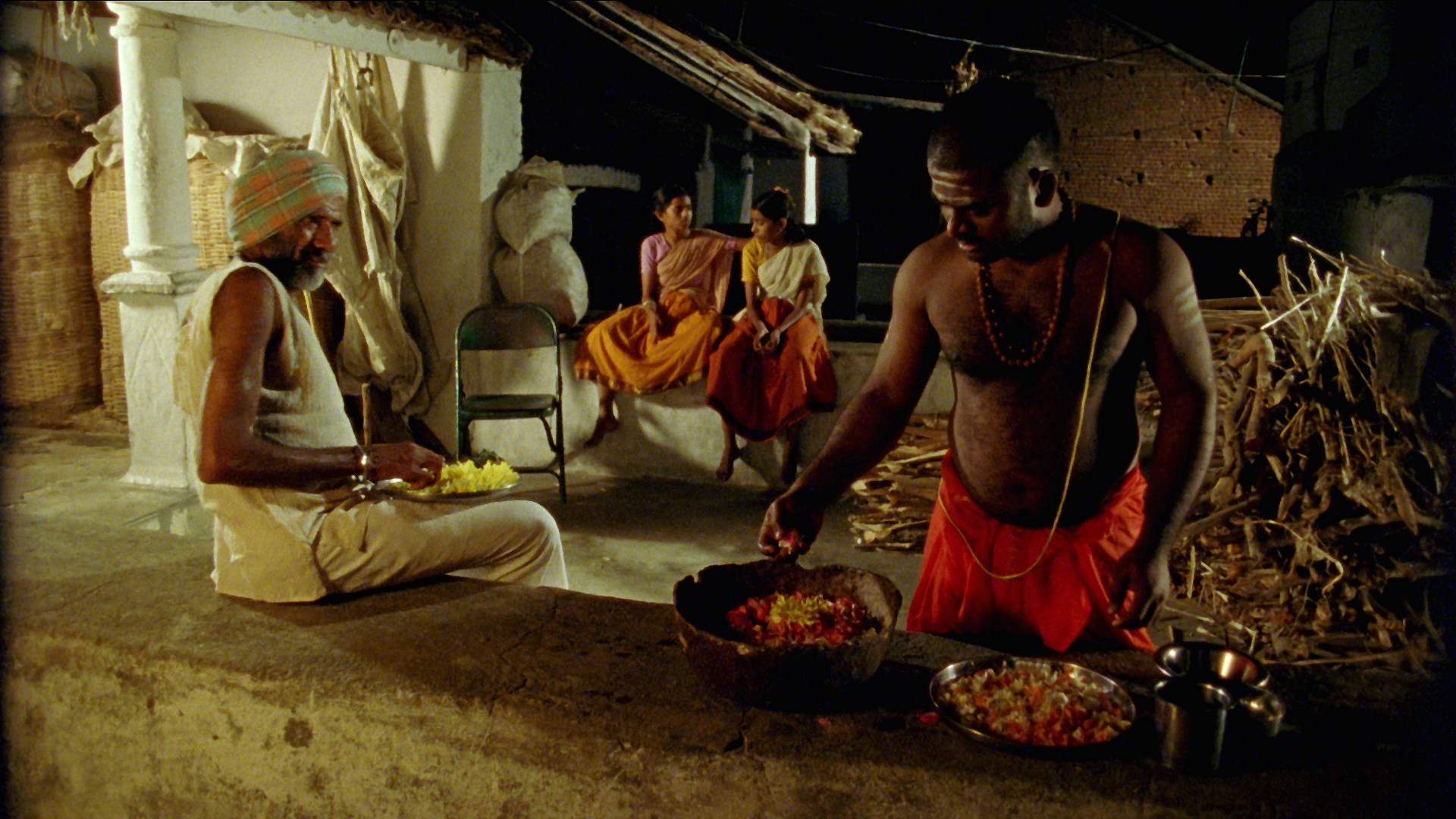
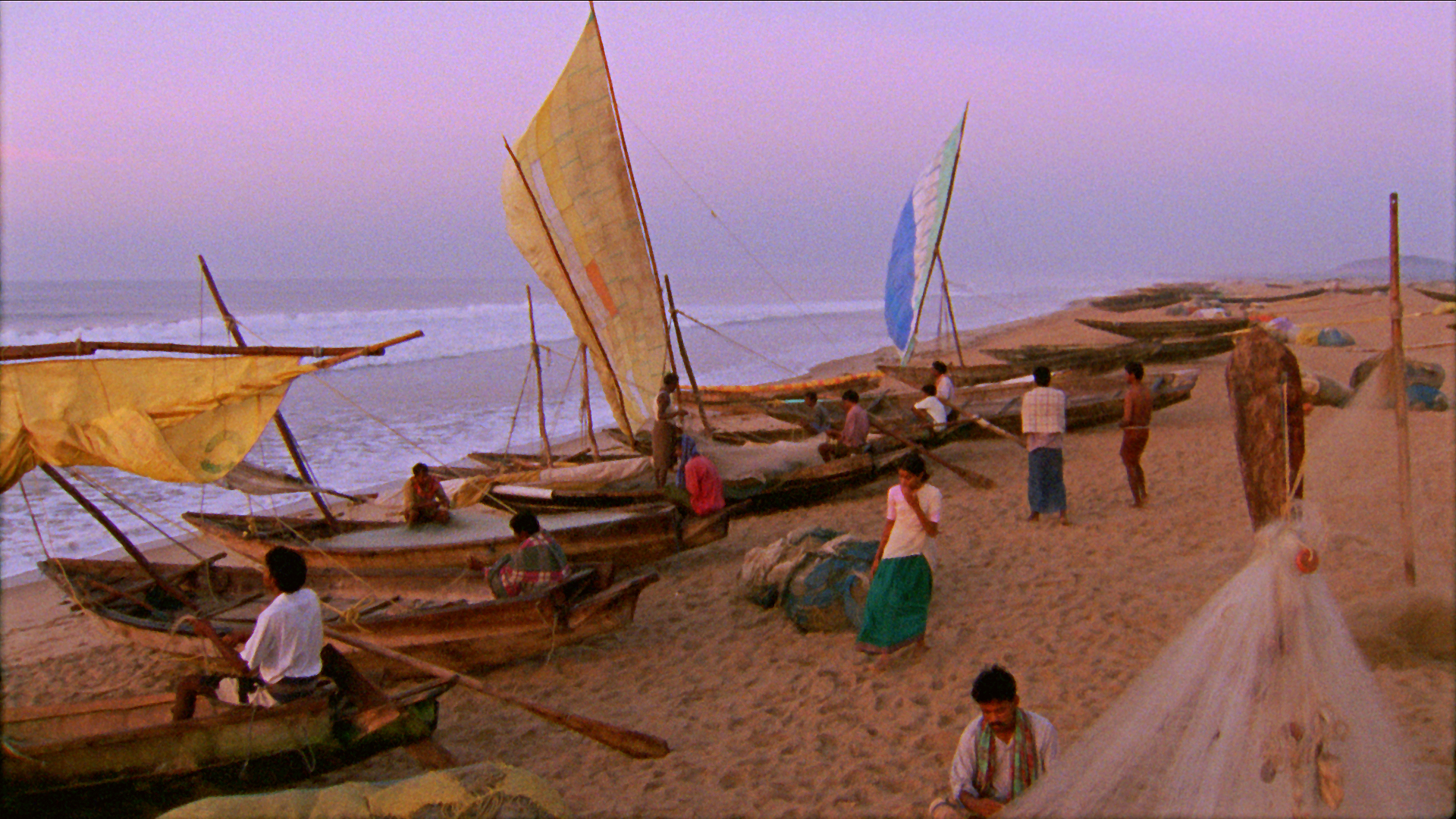
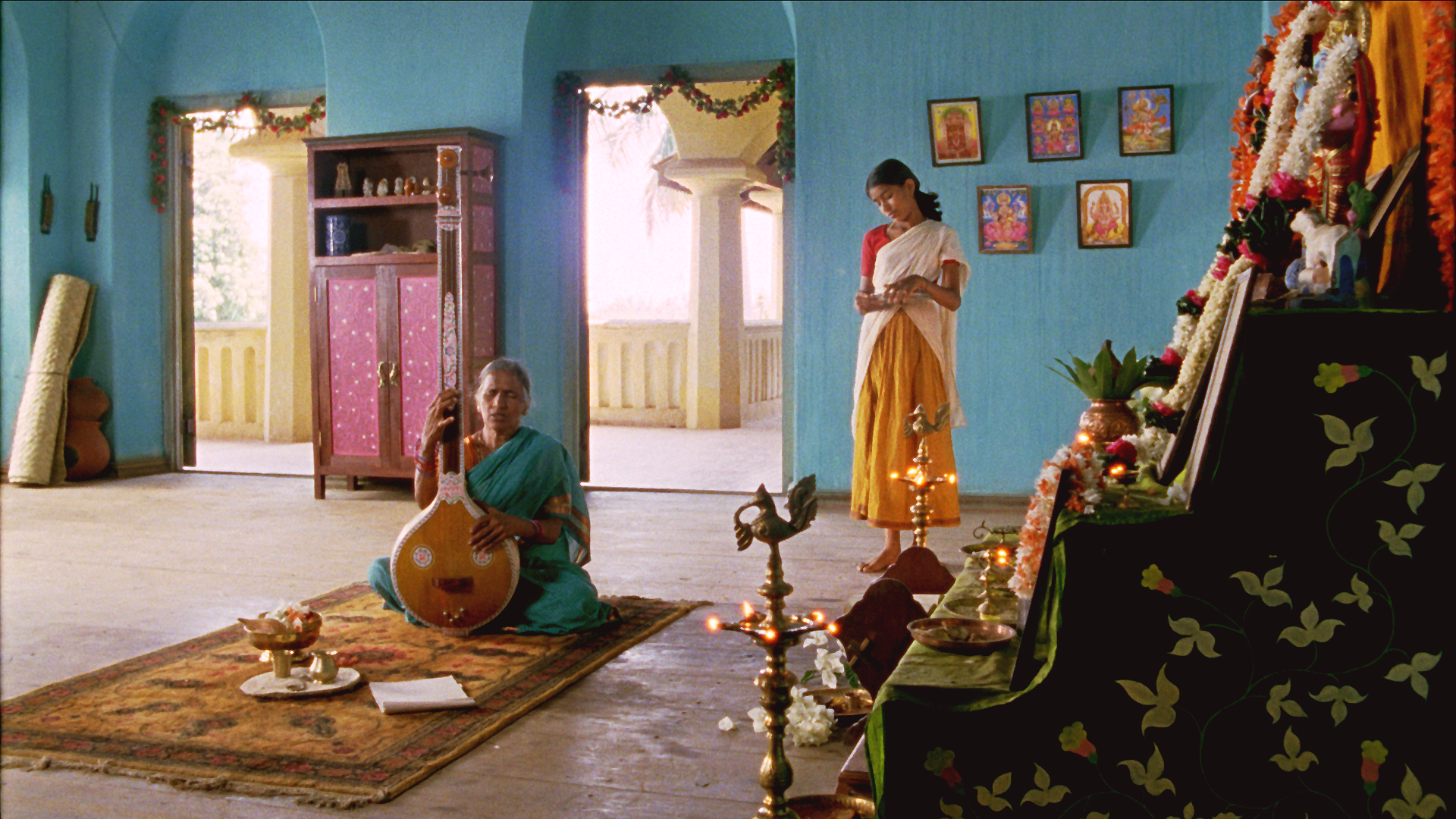
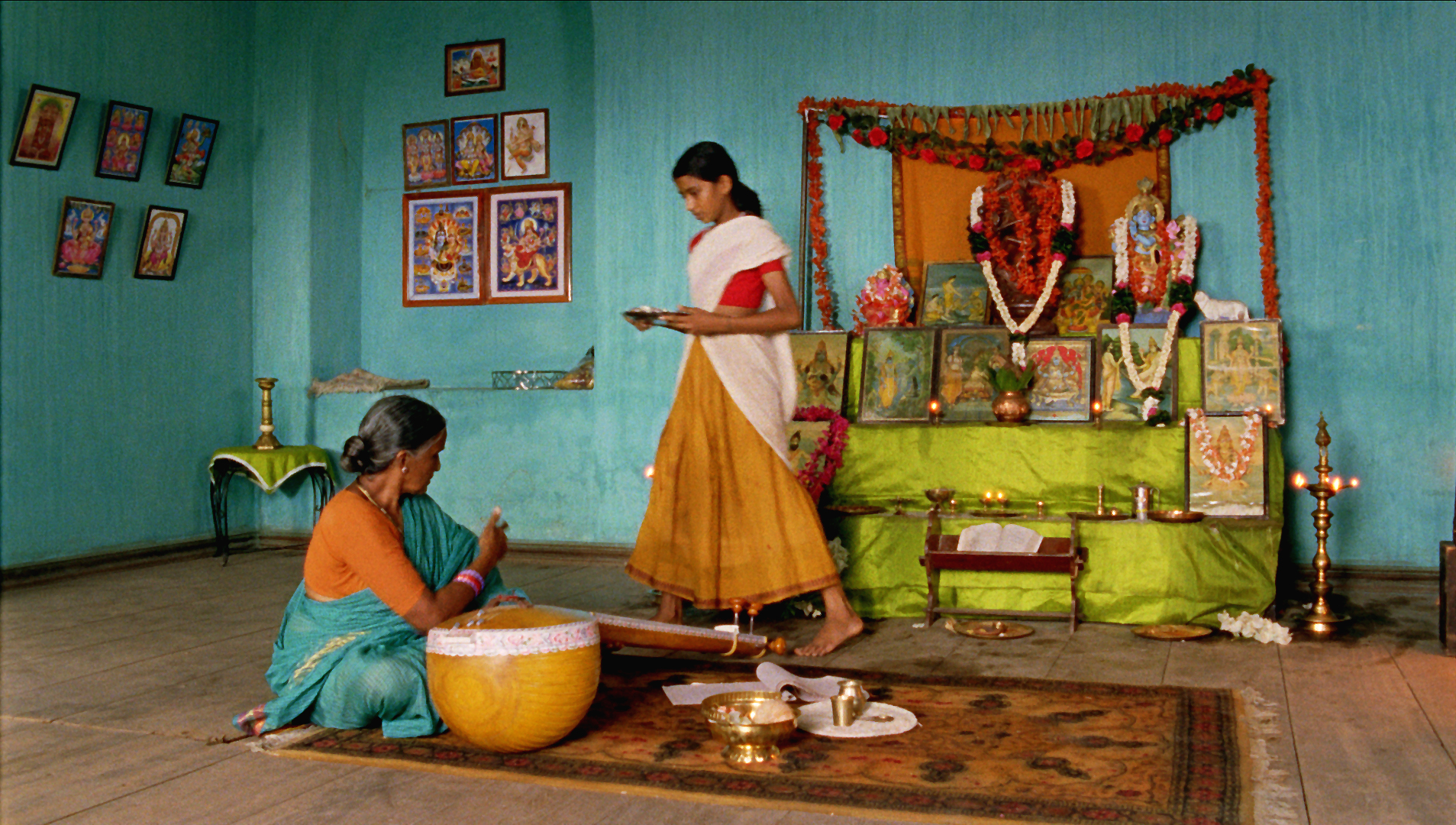
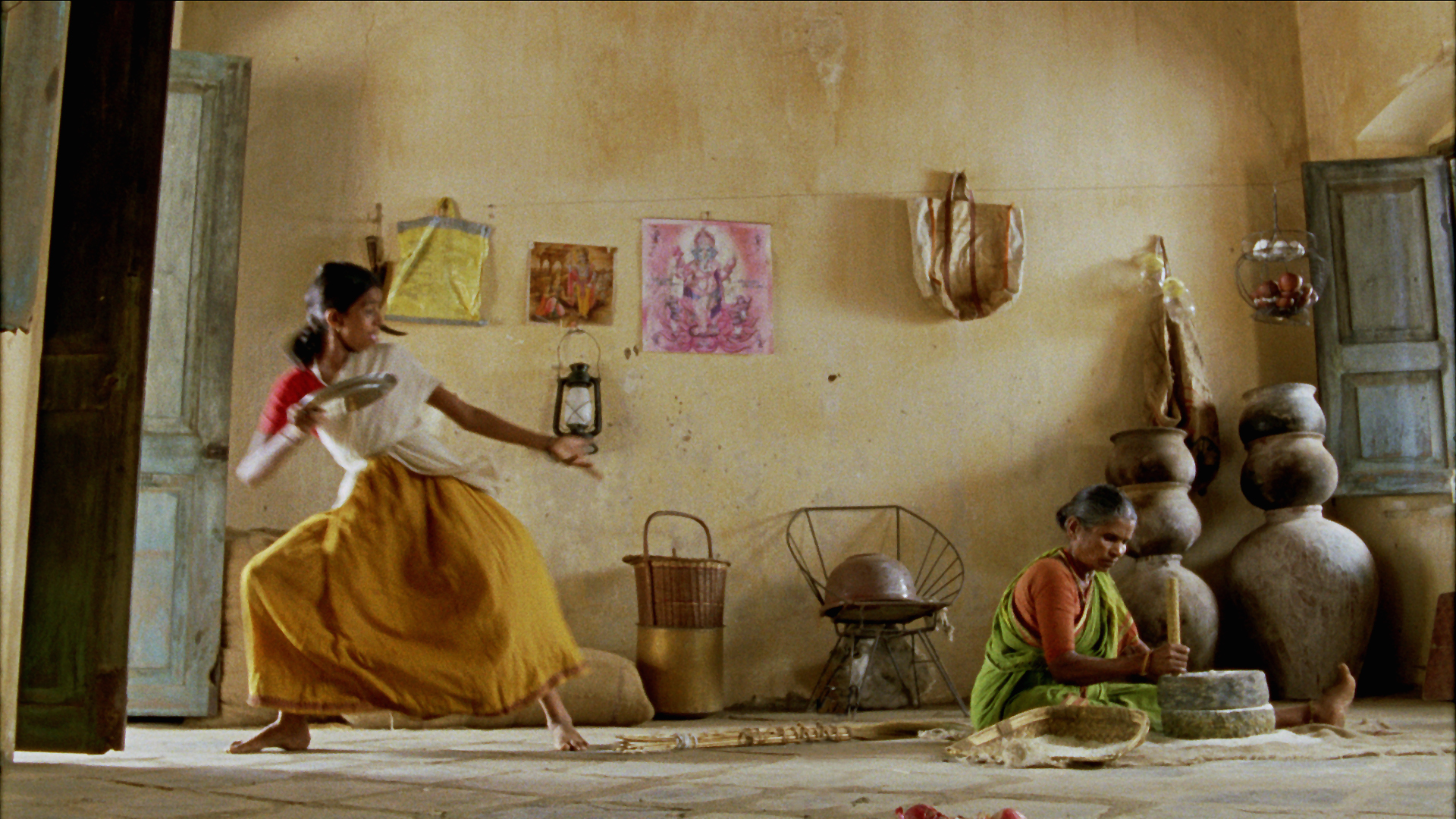
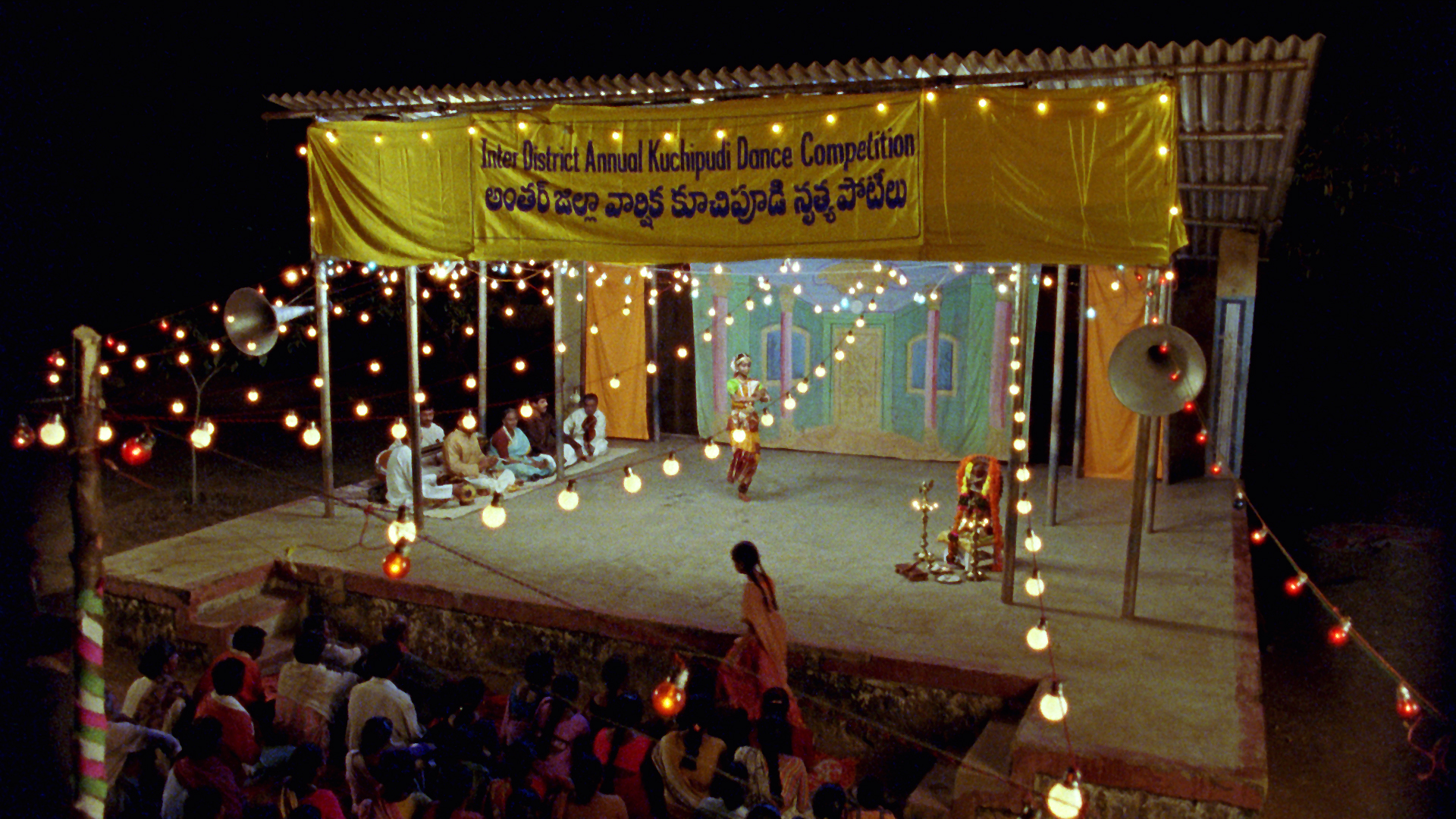
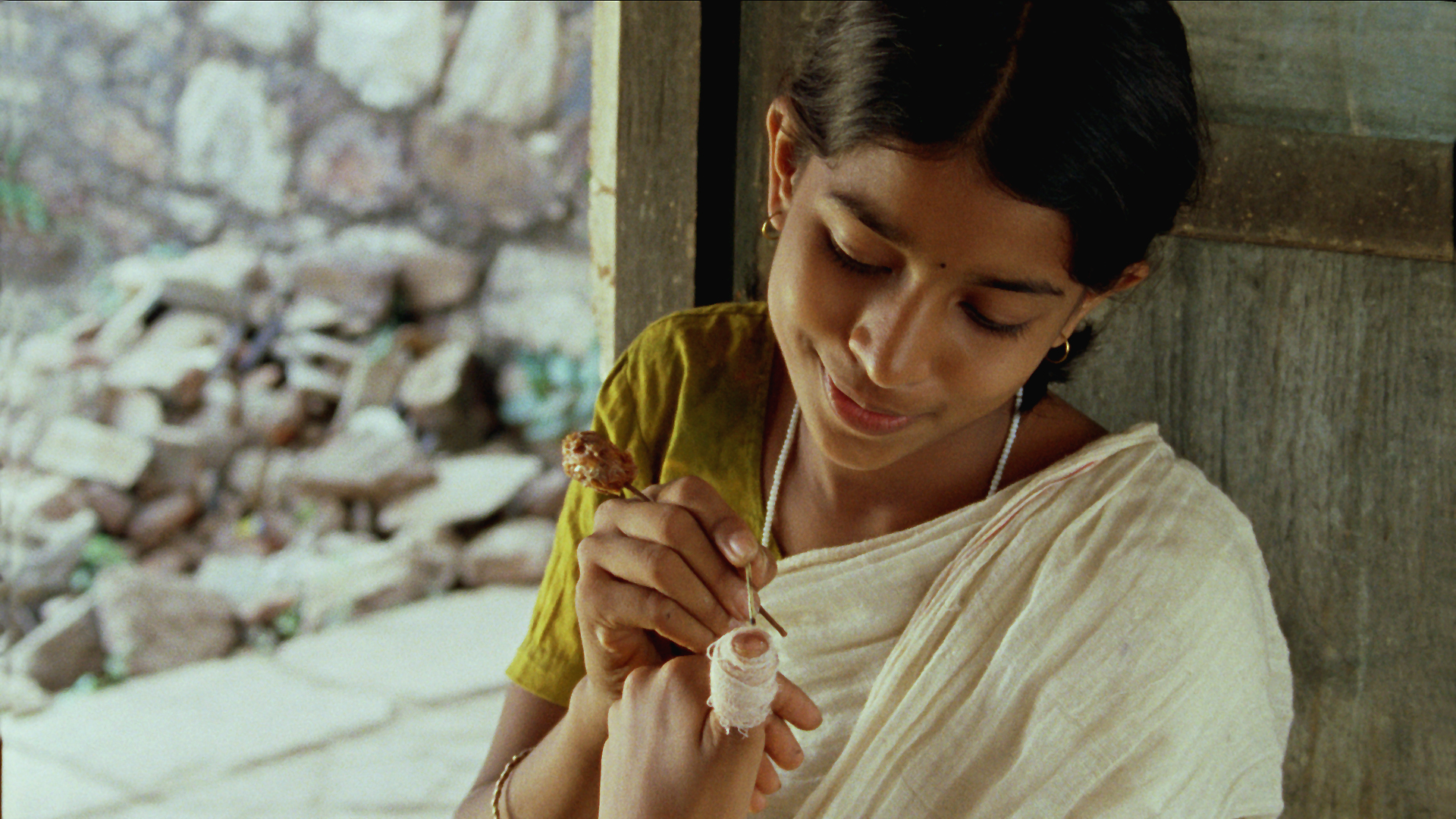
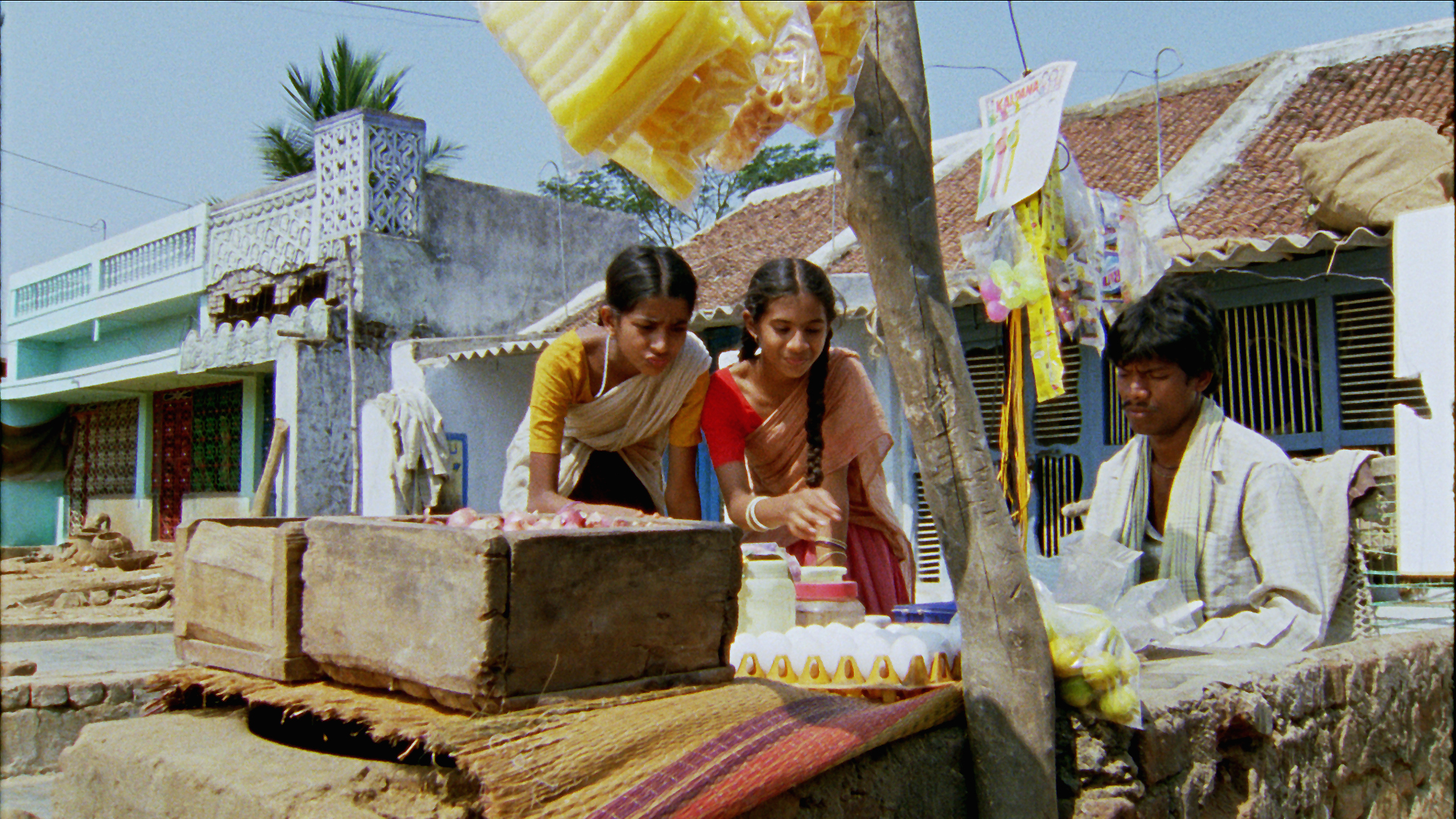
Set in rural South India, 15 year old Vanaja goes to work for the local Landlady hoping to learn Classical Kuchipudi Dance. Initial chemistry with the Landlady's son turns ugly, pitching her into a battle of Caste and Animus.
Vanaja Trailer
Reviews
Pulitzer Prize Winning Film Critic
Chicago Sun Times
- Roger Ebert
“Absolutely Timeless”
New York Times
- Laura Kern
“Sublime Direction”
San Francisco Chronicle
- David Wiegand
“A wondrous piece of filmmaking”
Baltimore Sun
- Chris Kaltenbach
“Adds to the glory of... all Cinema”
Film Journal
- David Noh
"No lie: This is the wonderful and wondrous antithesis of Bollywood, Hollywood"
Austin Chronicle
- Marc Savlov
“Vanaja.. is a perfect example of why there are hard core fans of film festivals who put their lives on hold and with sandwiches in hand, line up to see every film they can"
- Sheridan Sansegundo
Hamptons Star

Film Festival Awards


Nominations


The Principals
Crew

Naveen Challa
Production ManagerNaveen was born on June 25th 1980 to Subbarayudu, a landowner in Ananthapur and Parvati a housewife. The eldest of three children, he graduated with dual degrees in Math and an M.B.A, before beginning to work. In 2004, just when he decided to stop and prepare for a PhD, he saw a Varija Films’ ad for a tutor for its child actors – a job that he thought would be an easy time-filler.

Madhu Sundarapu
Asst. DirectorMadhu was born in Chebrolu on the Andhra coast on 28th July 1981 to Babuji, a TV repairman and Saileela a housewife. He was the 2nd of 3 children, and did much of his schooling without venturing out of his village until his graduation as an accountant. When his brother and father died in 2003 and 2004 respectively, he moved his family to Hyderabad, the capital, where he had just found work as a salesman.

Babu Rao Murugula
Production DesignerBabu was born in Tuni to Pullaiah and Rajaratnam on April 9th 1969. Most of his early life was spent in and around his hometown of Tuni, but after he got married in 1996 to Mamatha, Nagulu (the lead Production Designer’s) sister, he moved to Hyderabad where he first began working filling gas cylinders, and then as a carpenter’s understudy.

Bolagani Krishna
Production DesignerBorn in Mootakundur on 24th July 1979 to Rajalu a toddy-tapper and Sattamma a housewife, Krishna is the eldest of 3 brothers and studied until the 10th grade while working as a toddy boy in the local liquor shop. Along with Babu and Brahmam, he initially came to Rajnesh’s parents to build furniture in 2000, and moved on to become the “Sound Man” on his short films. He was married to Sirisha in 2001 with whom he now has a son – Rajesh.

Brahmam Kammari
Production DesignerBrahmam was born on 20th July 1982 in Kollapur and was brought up by his maternal uncle, Chandriah Atigadda, a teacher and Uma, his wife. They educated him until the 9th class, but in 1997, he came to Hyderabad and began work as a carpenter’s understudy.
Filmmakers

Latha R. Domalapalli
ProducerLatha was born in Chennai to M. Kantiraj, an Andhra and Ranjini a Mangalorean, both settled in Tamil Nadu. She spent much of her early life in Chennai, where her father worked as the Director of Agriculture of the joint state of Andhra and Tamil Nadu. After her marriage to Rajendra Kumar Domalapalli, she moved to Andhra and spent the next thirty or so years, touring the state with him. Rajnesh, the Filmmaker of “Vanaja” is her elder son, while Rakesh is her younger one.

Rajnesh Domalpalli
Writer, Director, EditorRajnesh Domalpalli comes from Hyderabad, in South India. After completing a B. Tech in Electrical Engineering from the IIT Bombay in '84 and an MS from SBU in '86, he worked in the Silicon Valley before completing an MFA at Columbia University in 2006.

Milton Kam
CinematographerMilton Kam moved to New York from his native Suriname to pursue a fine arts education at the City College of New York where he discovered cinematography. He has shot 10 features and over 50 short films, as well as music videos, documentaries, and spots for clients such as Canon and Coca Cola. His awards include the Kodak Vision Award for the Creative Use of Cinematography for Liesel de Boor's “Without a Name”, and the 1998 Columbia University Reel Award for Best Cinematography for Giovanni Morricone's “Photo”. He has shot the features “I Think I Do”, directed by Brian Sloan, and the family drama “ABCD”, directed by Krutin Patel. Both enjoyed theatrical runs in New York and other major cities.

Srinivas Devarakonda
Dance DirectorSrinivas was born in Guntur on the 4th of January 1968 to the late D.Hanumantha Rao and Padmavathi. He was 6 when his father died in 1974 forcing him to discontinue his studies and fend for his family instead. He worked as a salesman for about 6 years, but when his mother died in 1990, his grandfather decided to introduce him to the Kuchipudi Arts Academy in Chennai, where he became a disciple of the renowned Dancer and Padmabhushan Award winner Dr.Vempati Chinna Satyam. He was engaged as a Dance teacher and Choreographer by Varija Films, starting in March 2004.

Robert Q. Lovett
EditorRobert started his career crewing for the film “Lilith” in 1964 before finding his niche as an editor. Several films later, he picked up an Oscar Nomination for Coppola’s “The Cotton Club” in 1985, before beginning to teach at the Maine Photo Workshops. That was where he met Rajnesh who, after having created a rough cut of his thesis “Vanaja”, had registered as a student to polish it up. Robert saw the film and offered to come over to Rajnesh’s apartment and guide and mentor him though the process. Once back in New York, he did so over five days, with a sixth reserved for a review. The film you see is the finished work.

Bhaskara S. Narayanan
Music DirectorMr. Narayanan was born on the 29th of Dec 1948 in the town of Nagarkoil in Tamil Nadu. Since his grandfather served as the Asthana Vidwan in the Trivannathapuram King’s court, music prevailed at home. He started learning violin from Sri T.N. Krishnan – one of India’s violin maestros at the age of 7, with the help of a government scholarship. Mr. Narayanan has accompanied artists such as the late Smt. M.S. Subbulakshmi, Dr. S. Pinakapani and Dr. N. Ramani – all doyen’s of the Carnatic music world on concerts in several countries. He has also accompanied Kuchipudi dancers such as Smt Radha and Sri Raja Reddy on world tours, and is known for his brilliant artistry on the violin.

Indira Amperiani
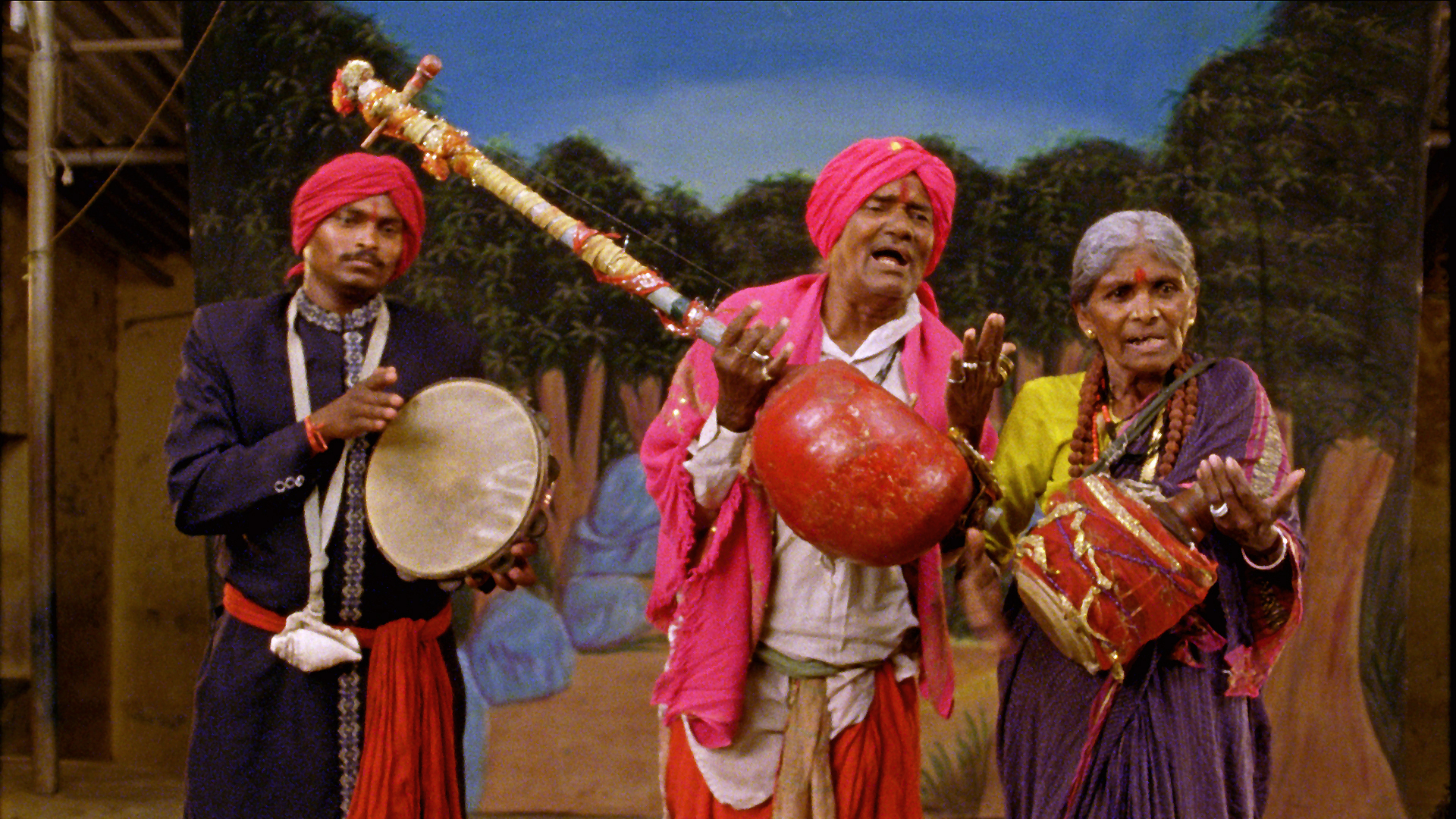
Music DirectorIndira Amperiani was born on the 24th of Oct 1937 in Nellore to A.V. Krishnaiah and A.V. Subbamma. Her father was a principal for a higher elementary school while her mother was a musician. She learnt music from her sister, D. Ramadevi before going on to graduate with a diploma in music in 1963. The duo performed almost 200 temple kacheris all over Andhra and Tamil Nadu as well as several Carnatic concerts for Vijayawada radio. Apart from being Rajnesh’s music teacher, she coached Vanaja’s actors in Carnatic music and composed the song Sarasuda Jagelara.

Sarju Patel
US Line ProducerSarju attended the University of California, Los Angeles, where he studied Film and New York University where he received his B.A. in Film and Philosophy. His short films include “The Foreigner,” “Not Dropping Cakes,” and “Incomplete”. He recently completed his directorial debut, “That Fall,” which he also Produced, Shot and Edited. “That Fall,” was accepted into the Dances with Films Festival in Los Angeles. He currently resides in Los Angeles, CA.

Vijay Santhosh
Indian Line ProducerVijju, as he is called, was born on May 4th 1953 in Chennai to Rama and late Justice N. Santhosh of the Karnataka High Court. In 1956 his family shifted to Bangalore, where he did both his schooling and college at Saint Joseph’s. After graduation, he joined Binny Mills in their dye house department where he worked for 21 years. In August 2004, he started work on” Vanaja”. He also appears in the film as one of the guests in the scene where Vanaja throws up over Shekhar.

Nagulu Busigampala
Production ManagerNagulu was born in 1970 in a village called Golanakonda in Andhra to Yadagiri & Illamma. He was the 3rd of 4 children. Due to financial constraints, he was never sent to school, and started out instead as a server in a hotel, later switching to tailoring. He was married in 1989 to Uma with whom he now has 2 children. Since tailoring wasn’t making ends meet, he joined Rajnesh’s parent’s household as a gardener and worked for 10 years. Given a sharp native intelligence, he soon became a jack of many trades and master of all – electrical work, plumbing, driving and painting to name a few.

Andrew Lund
Exec. ProducerAndrew Lund, a filmmaker and entertainment attorney, is an Assistant Professor in the Film & Media Department at Hunter College – CUNY. In addition to “Vanaja,” he is the executive producer of the independent features “Confess,” currently in distribution, and “Arranged” which filmed in New York this August. Lund also serves as legal advisor on narrative and documentary film projects and as a script consultant. As a writer and director, Lund’s short films have won numerous awards at film festivals around the world, appeared on PBS, ABC and major networks in Europe and Japan, and are distributed both theatrically and non-theatrically. His latest films have garnered prestigious grant support, including “Snapshot” currently playing on the festival circuit and “Lost and Found” now in post-production.
Cast

Mamatha Bhukya
VanajaMamatha was born on the 14th of July 1991 in a village called Garjanapalli in Andhra to Lumna and Vijaya Naik. She is the youngest of 6 girls in a family where her father works as a forest officer and her mother is a housewife. She was studying in the eighth grade of a Telugu medium government school when she was selected and cast in the film.

Urmila Dammannagari
Rama Devi (Landlady)Urmila was born on the 25th of June 1948 in a village called Boorgula in Andhra to Ramaiah and Chandramma – both farmers. Being the youngest of 6 children, she studied until the 6th grade, after which her parents couldn’t afford her education anymore. She was married at the age of 9 to Shankaraiah - a small time Businessman in a vegetable market, with whom she had 4 children. When her husband died in 2000 leaving her little, she found work in a mineral water company as a Bottle Sealer. However, she soon had to give it up due to health problems. Desperate, she saw an ad in a newspaper for “household help” – a ploy that Rajnesh had used to attract unwary actors-to-be.
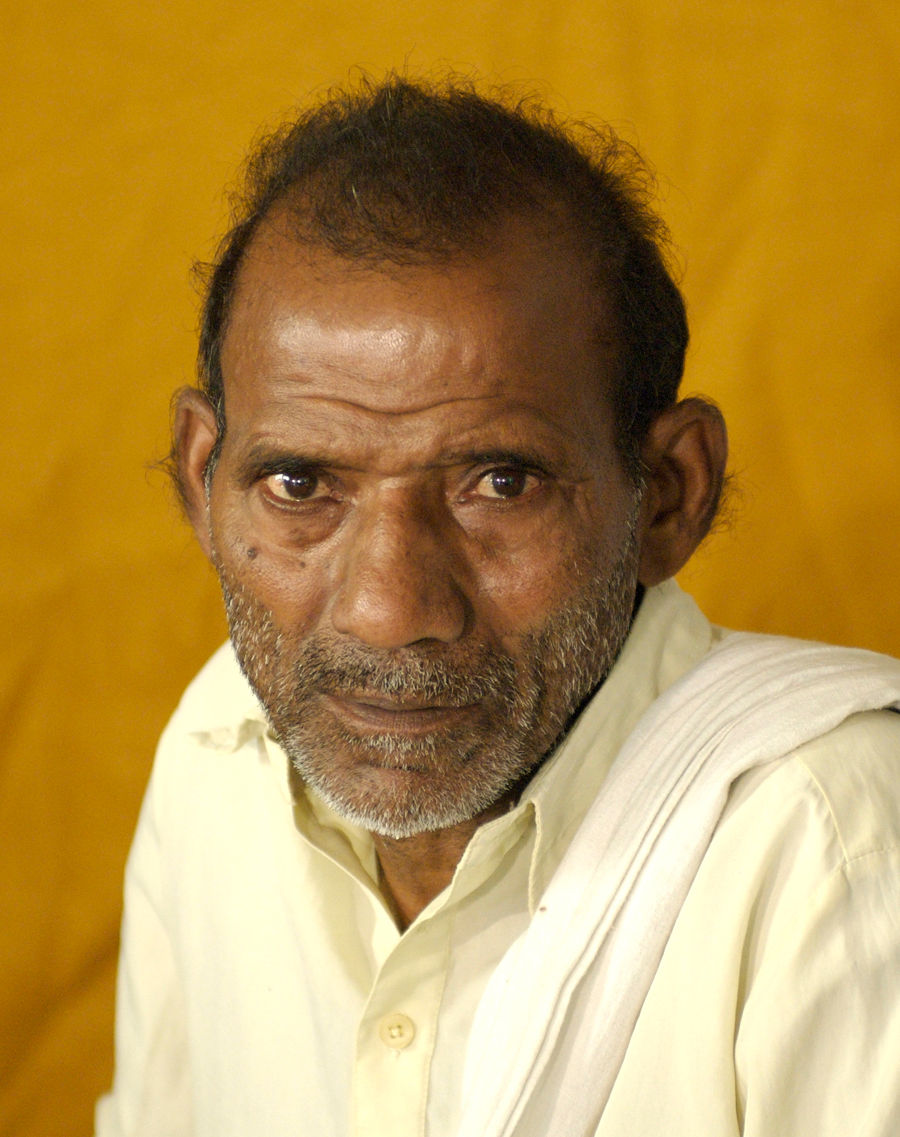
Marikanti Ramachandriah
Somayya (Father)Chandraiah, as he is called, was born on the 16th of April 1945, in the village of Kamalapuram in Andhra to Marikanti Veera Swamy & Tirupamma. He was the 3rd amongst 7 children. He got married at 25 to Yenkamma, with whom he had 4 children. At an early age, he took up farming instead of going to school, but over the years lost his possessions due to mounting debt. He then began rearing ducks and trading in eggs and local ox. Unable to make ends meet, he moved family to Hyderabad, the capital, in 2001 and worked as a municipal sweeper until 2004. Following that, he eventually found work as a security guard.

Gundimalla
Krishnamma
Radhamma (Maid)Krishnamma was born on the 15th of June 1940 in a village named Kotta Ganji in Andhra to Ramaiah & Basamma - two hotel workers. As the eldest of 4 children she had to take on much of the responsibility of rearing her siblings while her parents worked. She was married at 9 to G.Narsiah - an agricultural laborer with whom she had 5 children. After her husband’s death, she began work as a laborer carrying baskets of bricks on her head to make ends meet.

Karan Singh
Shekhar (Son)Karan was born on the 20th of Oct 1979 in a town called Jhansi in Uttar Pradesh. His father worked in the army – and this necessitated that the family travel both frequently and widely in India, before eventually settling in Andhra in 1992. In Hyderabad, Karan pursued a Bachelor’s in Commerce at Wesley College and graduated in 1999 but later decided to pursue a career in modeling, and won an award in the 2003 Grasim Mr. India competition.

Bhavani Renukunta
Lacchi (Friend)Bhavani was born on the 26th of April 1991 in Hyderabad, the capital of Andhra Pradesh to Sambamurthy and Ganga Renukunta. Her father worked as a helper in a clothes shop while her mother managed the home, and Bhavani is their youngest child amongst three. During the time of her interview at Varija Films, she was an eighth grader in a government high school in Secunderabad. She loves mathematics, and would like to pursue a career in engineering. He favorite scene is the one where she chastises Vanaja for not feeding the baby. She says that she loved mothering the child so much that the entire scene took on an especially personal meaning.

Garlapati Krishna
Ram Babu (Postman)Krishna was born Circa 1986 in the village of Narselagudem in northern Andhra to Jagan and Mangamma. Jagan worked as a well digger, but during the harvest, switched to thrashing rice. Mangamma cut paddy in the fields. Krishna began work at 10, herding goats, but when he was 12, he lost his mother to a protracted bout of T.B. His younger brother, Prabhu (who acts as Yadigiri – the brat who taunts Vanaja) was three at the time. Krishna then moved to the neighboring village of Maibad and began working in a bicycle repair shop. Three years later, when the rains failed, Jagan moved the family to Hyderabad - the capital, and began work along with Krishna as laborers digging trenches. Krishna’s family was interviewed in 2002 following which both brothers were selected to act in Rajnesh’s short films. Jagan passed away in 2003.

Garlapati Prabhu
Yadigiri (Brat)Prabhu was born Circa 1994 in Narselagudem, and is Krishna’s younger brother (see biodata above). He came with his father and brother for Varija Films’ interview, and was so shy in the beginning that he refused to look at people around him. His favorite scene is the one where he stands atop a staircase and threatens Vanaja and Ram Babu with dire consequences if they don’t do something dirty.
Interviews
Director's Statement
“Vanaja” was written as a project submission for my first semester class at Columbia University in the Fall of 2001. Inspired by a child’s scream in the film “Sophie’s Choice”, it was to be a tale about mother-child separation, but as it developed over the next three semesters, it gradually took on the elements of class distinction and conflict that continue to infuse our society and culture even today.
Pre-production began early in 2004. The first hurdle was finding appropriate talent and crew in a state where most filming was big-budget Tollywood - the Telugu language version of Bollywood that was particular to our state of Andhra Pradesh. Given the rural nature of the story, and the tendency of most local acting to lean towards the theatrical, it was clear that non-actors drawn from hutments, labor camps and the vast Indian middle class were the right choice. They would have to be put through lengthy acting training, the lead would have to learn Kuchipudi dance – no easy task, and the landlady would have to learn Carnatic classical music - if the film were to have any sense of authenticity at all.
As a first step, household staff and their friends were roped into various capacities – making flyers that would be inserted into newspapers at night, canvassing at schools, visiting local hutments and persuading dwellers to come for auditions - while simultaneously combating rumors that we were after their kidneys, pleading with government bureaucrats, putting up posters etc.. When we wanted to place an ad in the newspapers for the landlady, we found to our surprise that we couldn’t do so. So instead, we decided to advertise for household help: “female, aged 35 to 50, needed to care for elderly parents”. When unsuspecting ladies turned up for an interview, conversations would inadvertently steer towards film, what a wonderful art acting was, and how rarely ordinary people got a chance to prove their talent.
When we visited her school, the lead, Mamatha Bhukya, almost didn’t get selected. Her hair was too short. But at her teacher’s insistence, she sang a song about Gandhi-Tata (the father of the Indian Independence movement) so sweetly, that it was impossible not to short-list her. During the year of acting and dance training that followed in the basement of our house - to have started from scratch in both these fields and progressed to what you see on screen - was amazing to say the least.
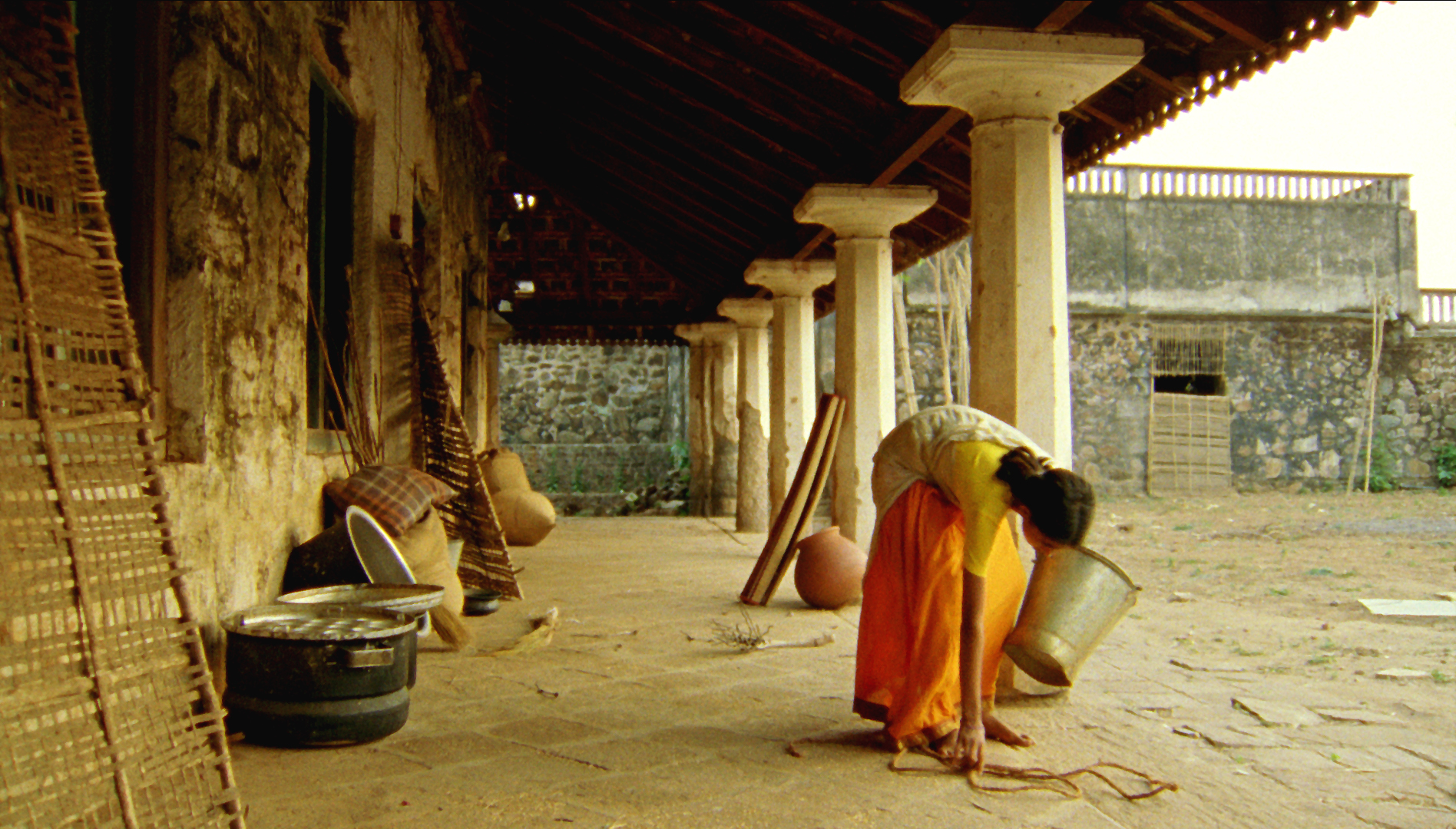
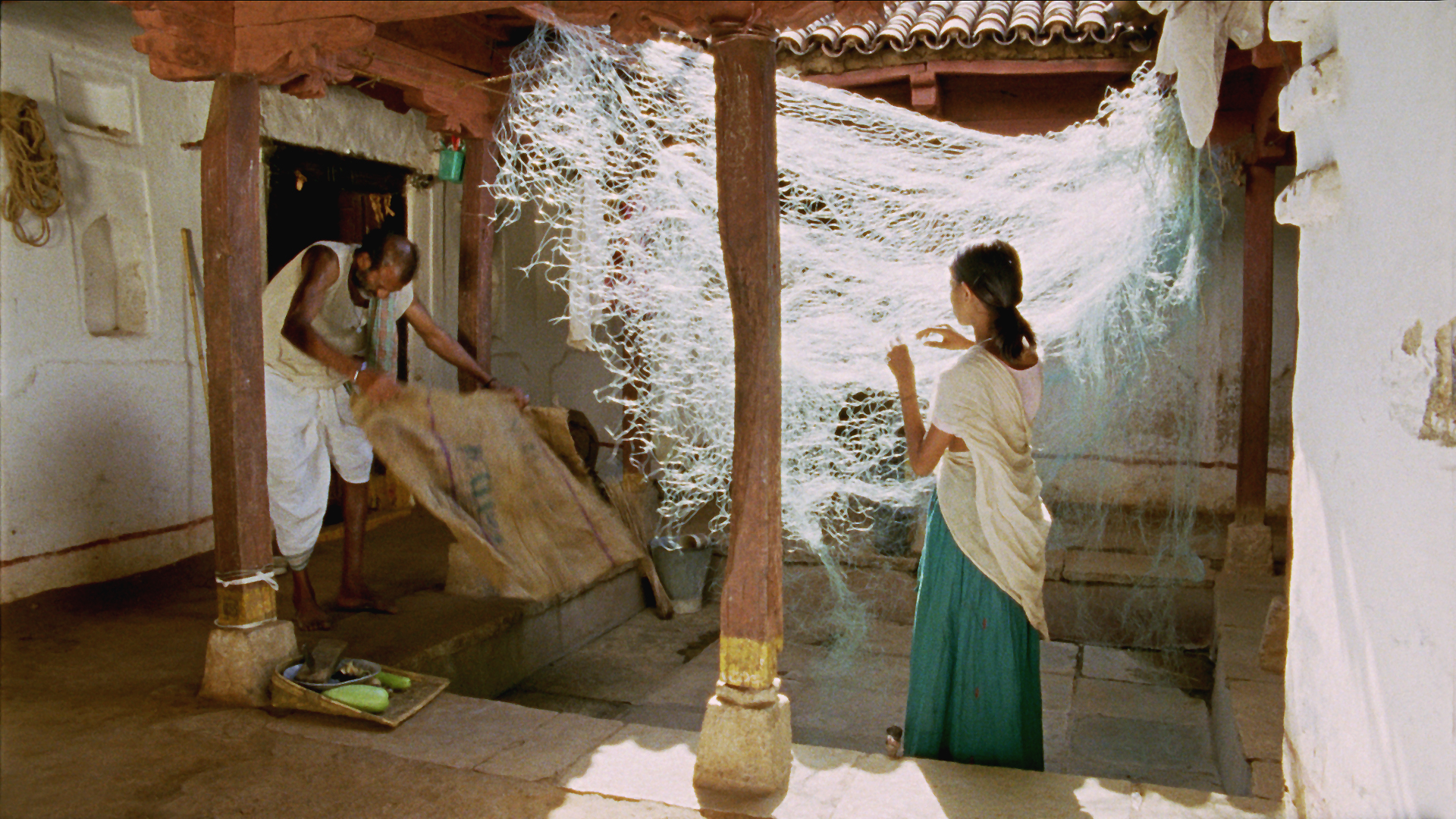
Location scouting was another challenge. Finding the landlady’s mansion, a building grand enough, stable and secluded enough to meet the needs of the script was turning out to be an impossibility given the sad state of disrepair that most rural bungalows have fallen into. Finally however, princely connections to erstwhile rulers of tiny kingdoms proved invaluable in securing a building in Bobbili, a town close to the coast. The problem was that it was full of snakes, overrun by vegetation and bats, and sections of the building were too weak to support filming. A team led by Nagulu Busigampala, a tailor, turned gardener, turned chauffeur, turned production designer took over the job of cleaning, repairing, planting, painting and furnishing the place.
They assembled a chicken coup in the yard, a pen for goats, painted the walls and roped in locals to bring in their livestock to trample the place and make it look inhabited. As news spread, people were more than willing to bring in sacks of rice husk, bricks, bullock carts, farming tools, hay stacks and more. They didn’t just loan them for the shoot, they wanted to act as extras. Our surprised crew warned them that they would have to pass a very severe test called “no looking into camera” and save a mishap or two, before we knew it they had mastered the art – and no amount of camera moving would ever trick them into it.
Finding an elephant was another nightmare. We wanted to find one locally to save it a truck ride. An agent in Mumbai promised to get us a temple elephant close to the coastal city of Vizag – a day’s journey by bus from our hometown of Hyderabad. So we sent a crew, parking ourselves in a hotel and waiting until he arrived. When we called him on his cell-phone, we were assured that he was minutes away and held up in traffic. Hours later, there was still no sign of him. Repeated calls over that day and the next gave us explanations that he had to run here or there on urgent missions trying to locate our beast. Each ended with assurances that we were almost there. A few days later, on a hunch, we called him from another telephone, pretending to be another party, and to no surprise, we found that he hadn’t even departed Mumbai. Needless to say, we settled for another agent and a longer truck ride.
Dealing with the bureaucracy was very similar, except that the elephant in the room was the money that nobody seemed to mention. All this was indeed a hard learning curve, but we were learning fast, given that the shoot was scheduled to start in a month – January of 2005.
When shooting did commence, on Jan 13th, looking through a Super 16mm film lens for the first time was a great shock for me, having never shot film before. All of my previous projects were video shorts - which had a very different aspect ratio - one that had dictated all of my storyboarding and camera moves. But DP Milton Kam’s reassuring and supporting presence, a crew that realized that making a Telugu language Independent film such as this was worth pouring life blood into, and a cast that was nervous yet rearing to go, made all the difference in giving the film a momentum that sent it sailing.
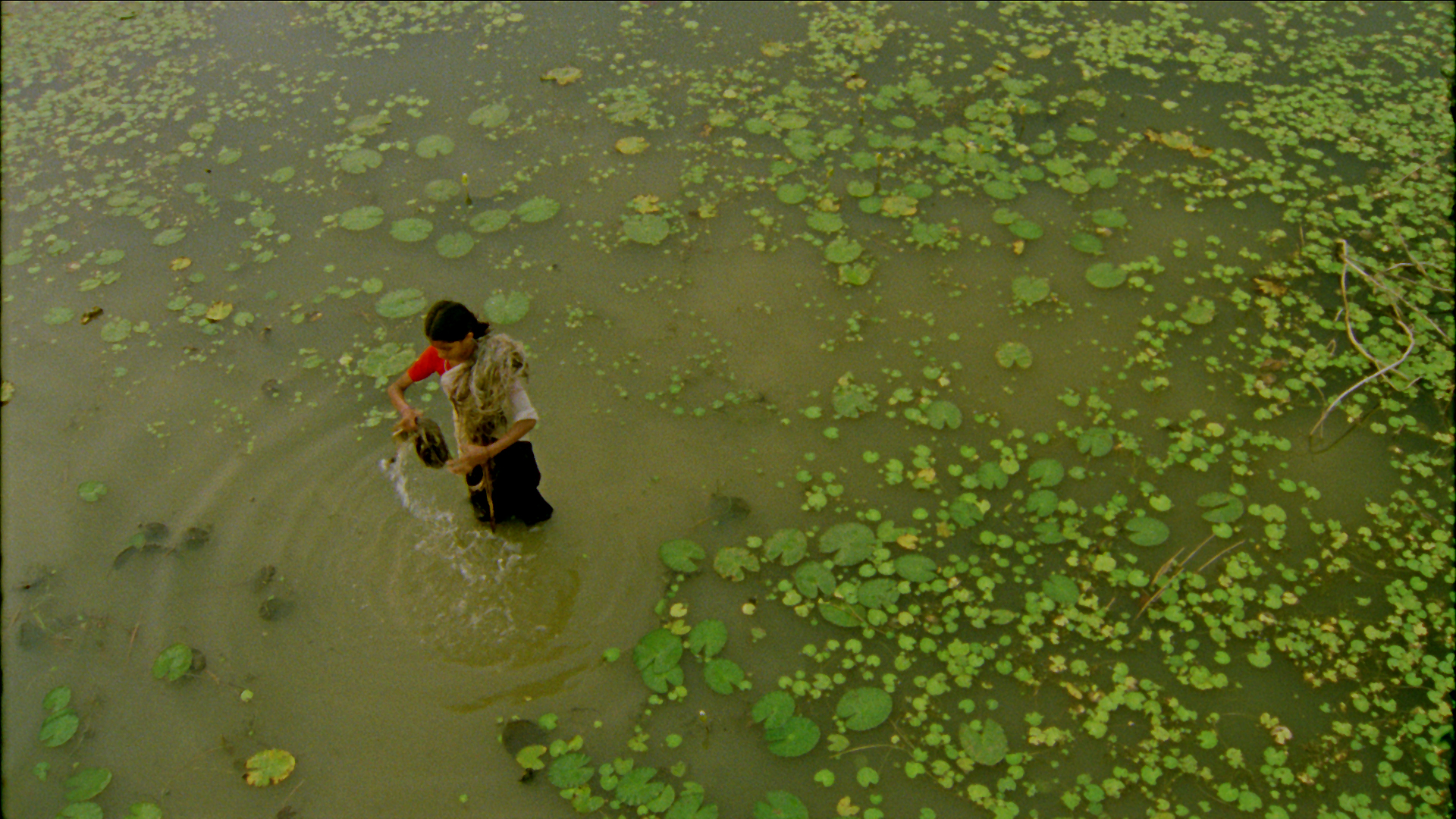
On a different note, the word "Vanaja" has several meanings, one of which refers to a flower that is water born, such as a lotus or a waterlily. In the film, Vanaja is the daughter of a poor, low-caste fisherman, and her name is used as a metaphor for her transformation. Just as the waterlily is born in sludge at the bottom of a pond, and rises, struggling, to bloom into something exquisitely beautiful, so does the girl.
At the end of the film, when she leaves her son with the landlady, it is in the hope that he will have a better future. This ability of hers to self-sacrifice has come from growth and the experience of hardship - not wealth, fame or material benefits. Her victory is a beauty of being that is internal, and like the waterlily, glorious to behold.
For any independent film to succeed, a hundred miracles need to happen, and we feel grateful that in our case they all did.
-Rajnesh Domalpalli